SUSTAINING PEACE THROUGH DEVELOPMENT INITIATIVES (SPDI)
Organizational Profile
SPDI’s areas of expertise include, but are not limited to, Food Security and Livelihoods (agriculture), Peace-building, Advocacy, Democracy, Human Rights, and Reconciliation (peaceful and inclusive societies), Quality and Affordable Education, WASH, and Gender Equality & Mainstreaming.
SPDI’s current focus is aimed at strengthening women, youth, local authorities, and people living with disabilities and other marginalized groups' inclusive participation in decision-making, livelihood activities, and the democratic process that affect their lives. SPDI particularly empowers women, youth, and marginalized groups to raise their voices and demand freedom of choice through information Workshops, Civic Engagement Dialogues, Agriculture, and Micro- finance (VSLA) skills. We also seek to address underlying conditions that negatively impact women, girls, and marginalized groups’ political participation and the advancement of their socio-economic development agendas by providing them opportunities to be recognized and space to grow in their communities through Agriculture, dialogues, and advocacy.
SPDI also works with smallholder farmers in establishing Village Savings and Loan Associations (VSLAs), enabling farmers to save, access microloans, and invest in quality seeds, tools, or other small income-generating enterprises. Farmers receive training that emphasizes sustainable practices that increase yields, improve nutrition, and create new income opportunities.
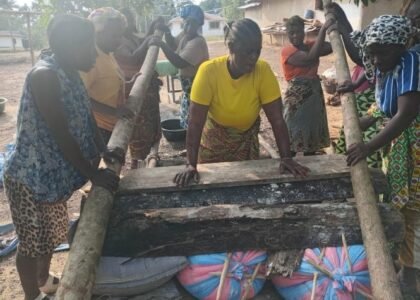
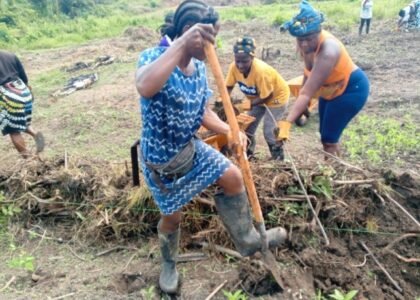
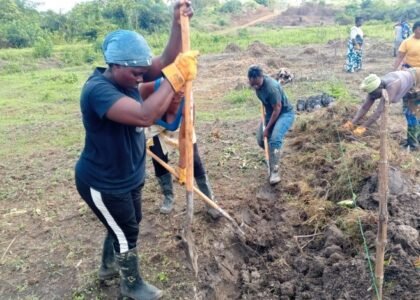
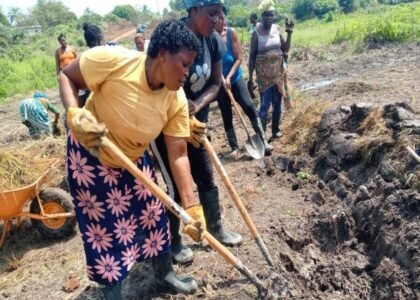
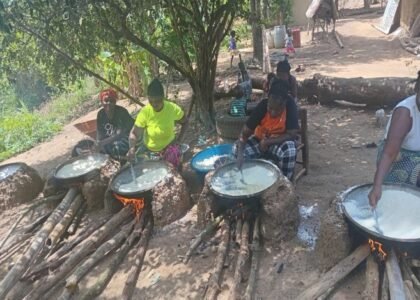
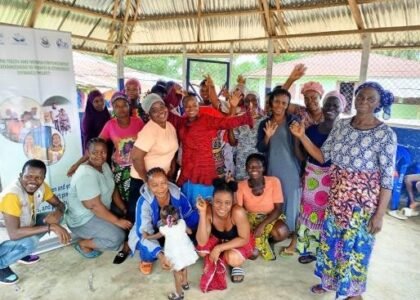
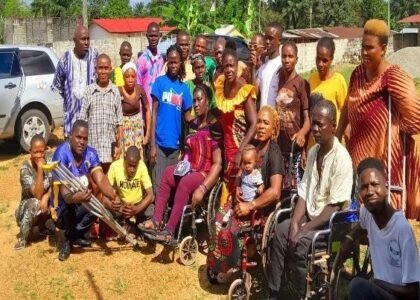
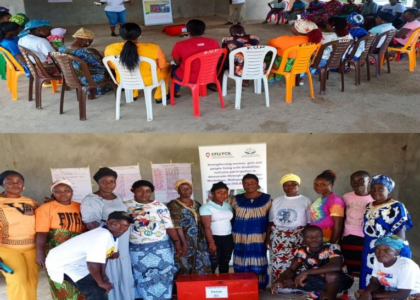
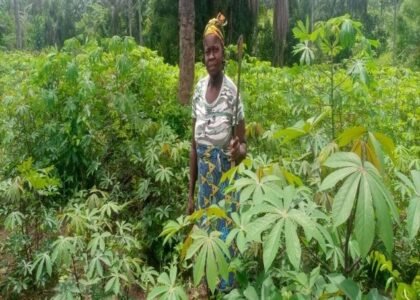
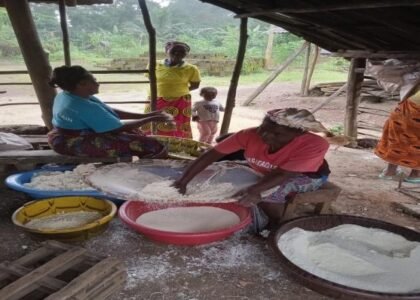
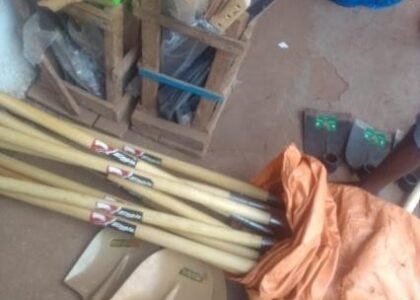
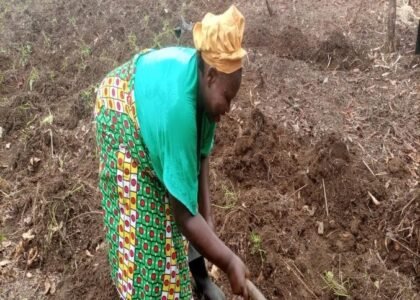
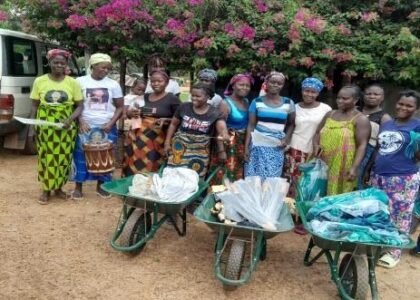
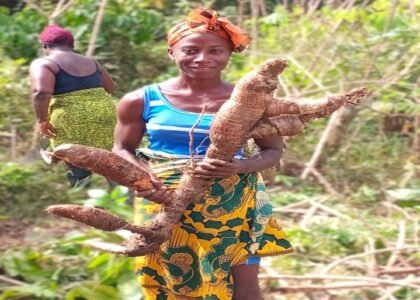
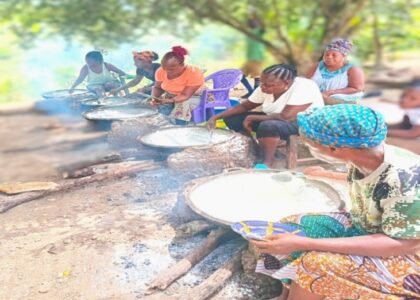
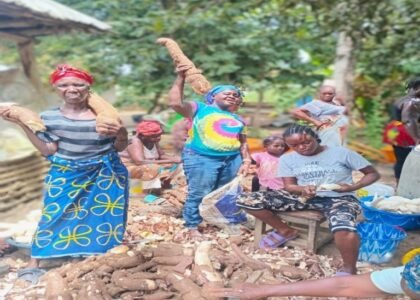
On the other hand, SPDI is also addressing food insecurity by empowering smallholder farmers, primarily women and youth, to grow diverse, nutritious crops and improve their farming techniques. The capacity of smallholders is enhanced through on-site training, provisions of inputs, regular coaching, and linking farmers to markets so that their production and investment in their plots become financially sustainable. SPDI also promotes gender equality by actively involving women, people living with disabilities, and youth, helping them to become active economic contributors in their communities. Despite having fertile soils, most smallholder farmers in Liberia continue to have low yields. This is primarily due to a lack of access to quality seeds and tools, as well as ineffective agricultural methods. In addition, many of them do not practice crop diversification. Consequently, there is poor nutrition, low resilience, and inter-generational poverty.
About our trust
The Liberia Health and Climate Resilience Consortium (LiH-CRON Inc.) brings local organizations together to strengthen coordinated responses to health, climate, environmental, livelihood, and community-development challenges in Liberia.
Quick links
Mission & visions
Contact us
Get in touch with us and we will be glad to response to your inqury.
Copyright © 2026 LIH-CRON. Built with Love By Baysah Design